

Physics in Vienna in the 19th century
The differentiation of the natural sciences
1850–1915
1850 to 1910: No other period of physics in Vienna saw such a concentration of prominent physics research and renowned teachers and scientists. In a desolate rented house, Ludwig Boltzmann and Franz Exner taught people such as two later Nobel Prize laureates – Victor F. Hess and Erwin Schrödinger – as well as a woman who did not receive this honor, Lise Meitner. Physics in Austria is often identified in the scientific world with accomplishments in research in the 19th century. Thun-Hohenstein’s reform of 1850 created the conditions for a flourishing of the natural sciences. Christian Doppler’s appointment as director of a new institute in 1850 was the first step to enabling a young generation of academics to overcome their former provinciality and to reach the level of international developments. Mechanics, thermodynamics, statistical physics, electrodynamics, crystalline physics, color theory, and from 1900 radioactivity research, are all closely connected to research done in Vienna by people such as Doppler, Stefan, Loschmidt, Lang, Boltzmann, Exner, Meyer, and Hasenöhrl.
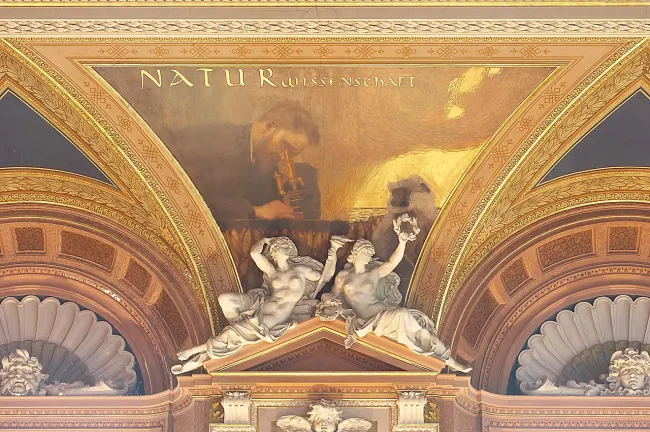
Franz Pfluegl
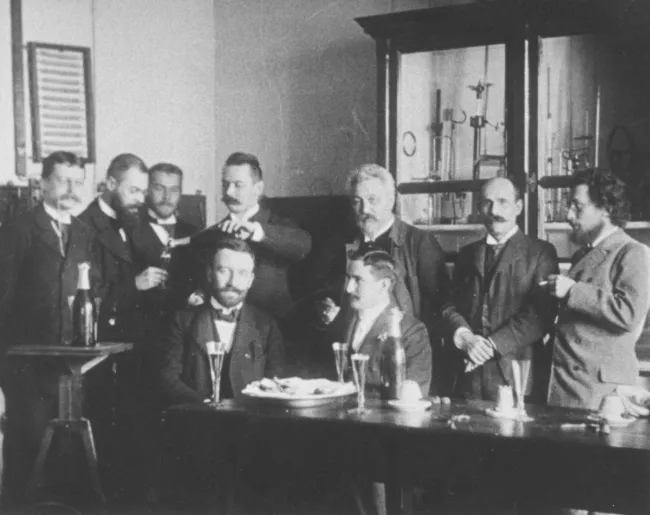
Elfriede Hanak-Broneder


Revisions allow you to track differences between multiple versions of your content, and revert to older versions.
| Revision | Operations |
|---|---|
| 05.03.2024 - 21:28 by katharina kniefacz | Current revision |