

The Castalia Fountain in the Arkadenhof of the University of Vienna
On the meaning of great men
1910–21th century
In the middle of the Arkadenhof (arcaded courtyard) in the main building, in the center of the University of Vienna’s memorial topography, Castalia sits enthroned. In Greek mythology, she is the guardian of the fountain of knowledge in Delphi. This fountain statue erected around 1900 symbolizes the wisdom of the men whose monuments surround her in the Arkadenhof – the first and only monument for a woman was unveiled later, in 1925. In historical context her meaning is much more diverse, however: She stood for a male dominated civil society that discriminates against women, protesting against the ruling system. Her relevance as a symbol for a misogynistic university was especially long-lived. In 2009, finally, this level of meaning was broken by the inclusion of the Castalia fountain into Iris Andraschek’s art project “Der Muse reicht’s” (“The muse has had it”).
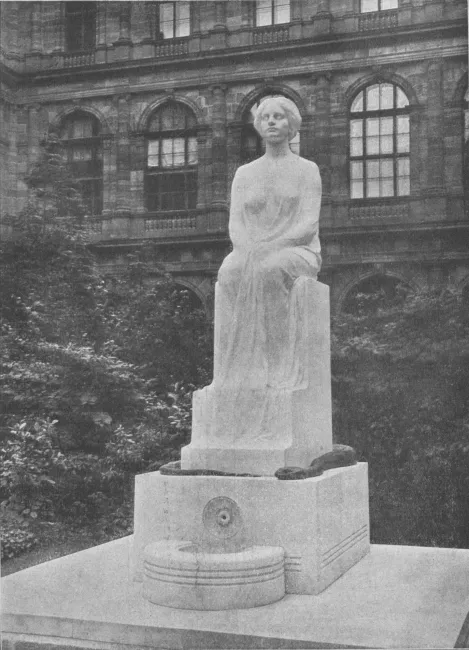
Foto H. Schuhmann, Wien
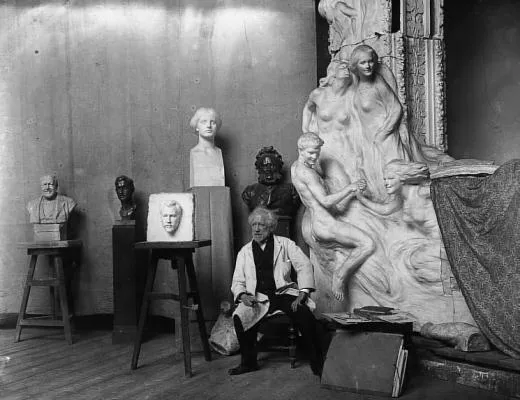

Foto Herbert Posch, Wien


Foto Chris Chiu
Revisions allow you to track differences between multiple versions of your content, and revert to older versions.
| Revision | Operations |
|---|---|
| 19.02.2026 - 10:04 by katharina kniefacz | Current revision |